
Flying Insects: The Airborne Threat
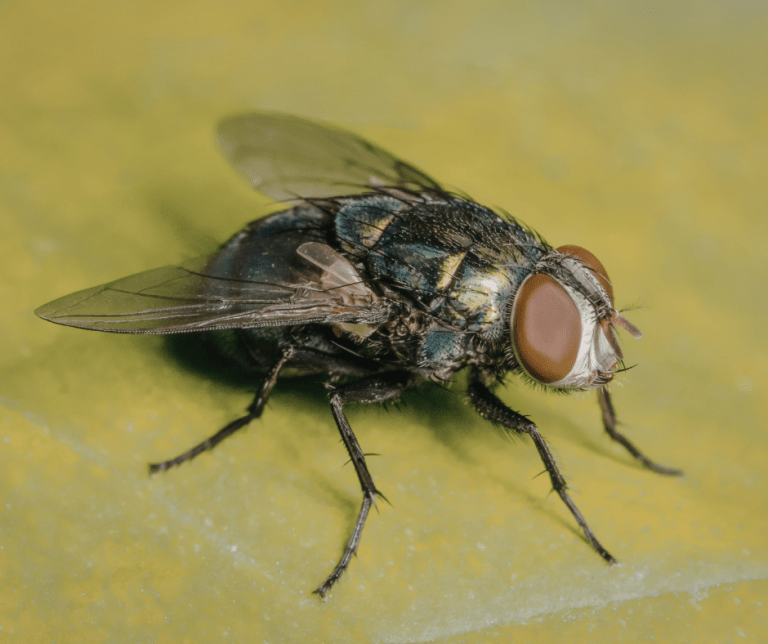
The Problem: transporters of over 100 dangerous pathogens
House Flies: The Global Health Risk
The common House Fly (Musca domestica) is easily identified by its grey body with four dark, longitudinal lines on the thorax. They do not have teeth or a stinger; instead, they use specialized mouthparts to liquefy solid food, a process that involves regurgitating saliva onto the surface. A single female can lay up to 500 eggs in her short lifetime, usually in warm, moist organic material. Because their lifecycle can move from egg to adult in as little as seven to ten days, a minor sighting can escalate into a massive infestation within a single week.
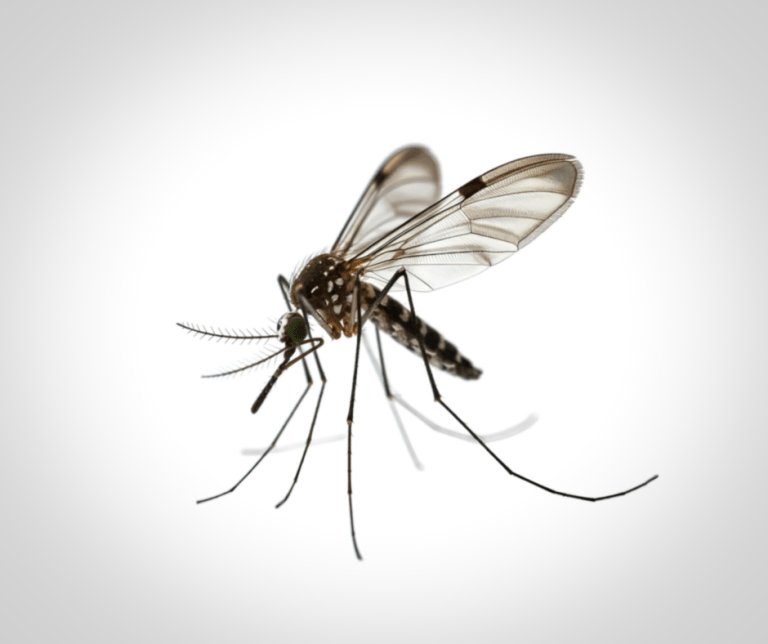
The Problem: vectors for life-threatening diseases
Mosquitoes: The World’s Most Dangerous Hunter
Mosquitoes are small, midge-like flies characterized by their long, slender legs and a specialized proboscis used by females to pierce skin and consume blood for egg production. They are most active during dawn and dusk, relying on carbon dioxide and heat signatures to locate their targets. Because they can breed in as little as a teaspoon of standing water and have a rapid reproductive cycle, a single female can produce thousands of offspring in just a few weeks, leading to overwhelming populations if left untreated.
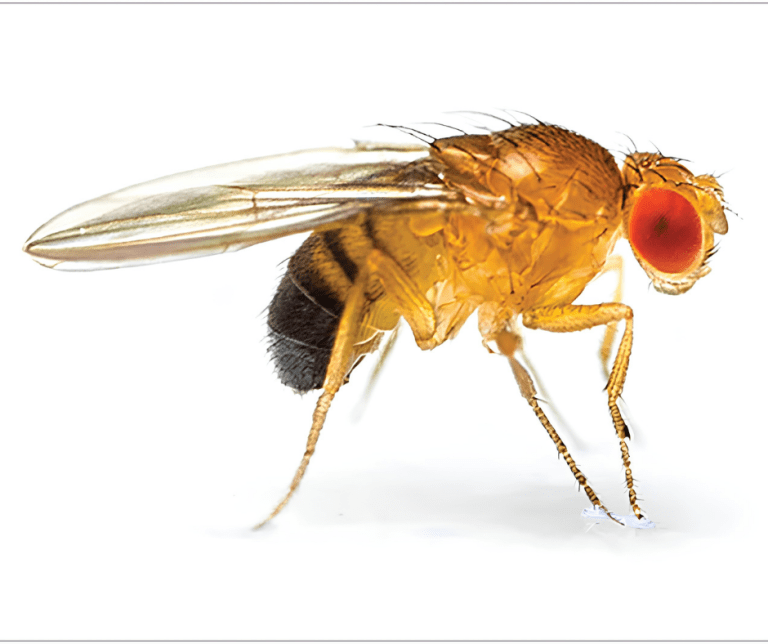
The Problem: quickly swarm and contaminate food
Fruit Flies: The Rapid Contaminators
Fruit flies (Drosophila melanogaster) are tiny, tan-colored insects typically identified by their bright red eyes and hovering flight pattern. They are attracted to the fermentation of overripe fruits, vegetables, and sugary liquids, but can also thrive in the moist organic film found in drains and mop buckets. A single female can lay up to 500 eggs directly onto moist organic matter; these eggs hatch into larvae within hours. Because their entire life cycle can be completed in just eight days, a small spill or a single piece of forgotten produce can trigger a massive swarm almost overnight.
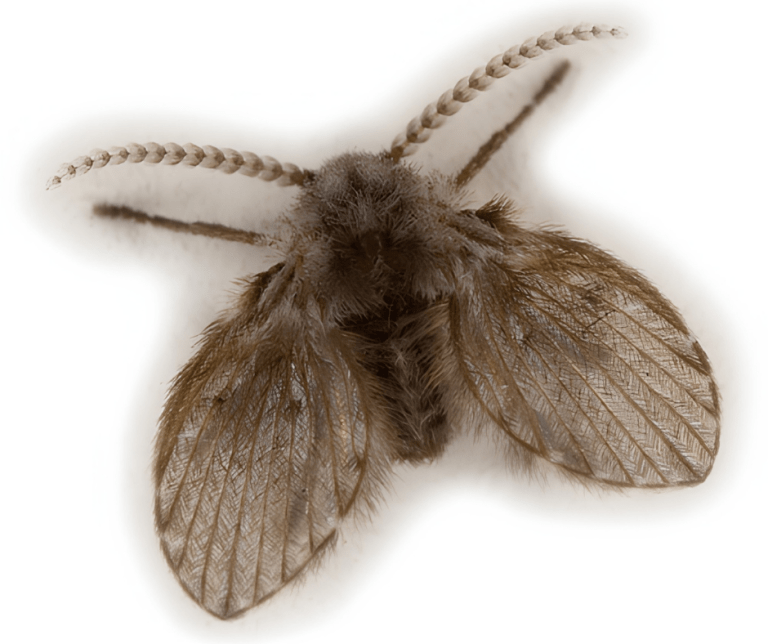
The Problem: thrive in the slime of stagnant pipes
Drain Flies: The Hidden Clog Inhabitants
Drain flies, also known as moth flies, are small, fuzzy insects easily recognized by their heart-shaped wings and moth-like appearance. They do not fly well and are often seen crawling on walls near sinks, floor drains, or shower grates. They lay their eggs in the gelatinous "biofilm" that builds up inside pipes and drains; this thick sludge provides both protection and a food source for their larvae. Because they breed in such hard-to-reach areas, standard cleaning often fails to remove the colony, allowing them to reappear continuously.
Signs Your Property is at Risk
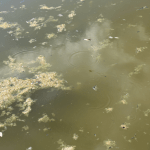
Stagnant Water
Any standing water left for more than 48 hours.
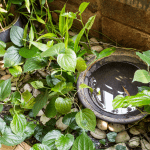
Overgrown Vegetation
Heavy shade and tall grass provide the perfect humid resting spots for adults.
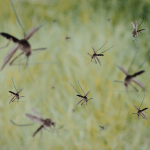
Dawn & Dusk Activity
High swarming activity during these peak feeding times indicates a nearby breeding site.
A single fly can contaminate food surfaces every time it lands. Our flying insect program ensures your air remains clear and your facility meets the highest hygiene standards for both audits and customer experience.
Reclaim Your Outdoors
Don't let Flying insects keep you indoors. Contact Us today for a comprehensive property audit and custom protection plan.
The Importance of Early Intervention
3,000 eggs
A single female mosquito can lay up to 3,000 eggs in her lifetime. By starting your treatment plan early in the season, we stop the population from exploding, ensuring your outdoor areas remain safe and usable all year long.
More Than a Nuisance
A Biosecurity Risk
Flying insects are among the most persistent and unhygienic pests a property owner can face. Species like House Flies, Fruit Flies, and Blow Flies are known to carry over 100 different pathogens, including Salmonella and E. coli. Because they move rapidly between waste sites and food contact surfaces, a single fly can compromise the safety of an entire facility.
Our Advanced Management Strategy
To effectively clear your air, we utilize a four-pillar approach:
Source Identification & Sanitation: We conduct a deep-dive inspection to find breeding grounds, such as clogged drains or decaying organic matter, and provide specific sanitation recommendations to “starve out” the larvae. Exclusion & Mechanical Barriers: Our team identifies gaps in windows, doors, and vents, recommending or installing air curtains and professional-grade screens to stop insects before they enter. UV Light Technology: We deploy strategically placed Electronic Fly Killers (EFKs) that use specific UV wavelengths to lure and capture flying insects discreetly and hygienically. Targeted Bio-Treatments: For drain-dwelling species, we use microbial foam treatments that eat away the organic film where eggs are laid, eliminating the problem at the source without harsh chemicals.
- 100% Elimination Guarantee
- Certified Safety
- Proven Results
- Odorless & Mess-Free
- Long-Lasting Protection
